 1300 153 638
 Contact us
 Partner Login


Stop Leaks Before They Start: Caravan seal maintenance that protects your pride and joy
General ·
At Let’s Go Caravan Insurance, we know how much time, love and hard-earned money goes into owning a caravan.


General Information · 2 December, 2024

Commonwealth Scientific and Industrial Research Organisation (CSIRO) Principal Research Scientist, Dr Adam Best, is a leading lithium-ion battery expert and the co-author of the CSIRO’s report – ‘Lithium-ion Battery Safety’ – which was created for the Australian Competition and Consumer Commission (ACCC). Dr Best shares some key safety considerations around using, and charging, lithium-ion batteries.
Can you describe some of the issues and safety considerations around lithium-ion batteries? To start with, it’s important to state that lithium-ion batteries are statistically a very safe technology. They are a lot safer for example, than internal combustion engines, and many fires are caused each year by leaking fuel tanks. However, while lithium-ion battery fires are statistically a rare event, the problem lies in the scale and intensity of these fires once they are sparked and the difficulty in putting them out. All these factors are creating a lot of recent awareness, concern, and in some cases even hysteria, around lithium-ion battery safety.
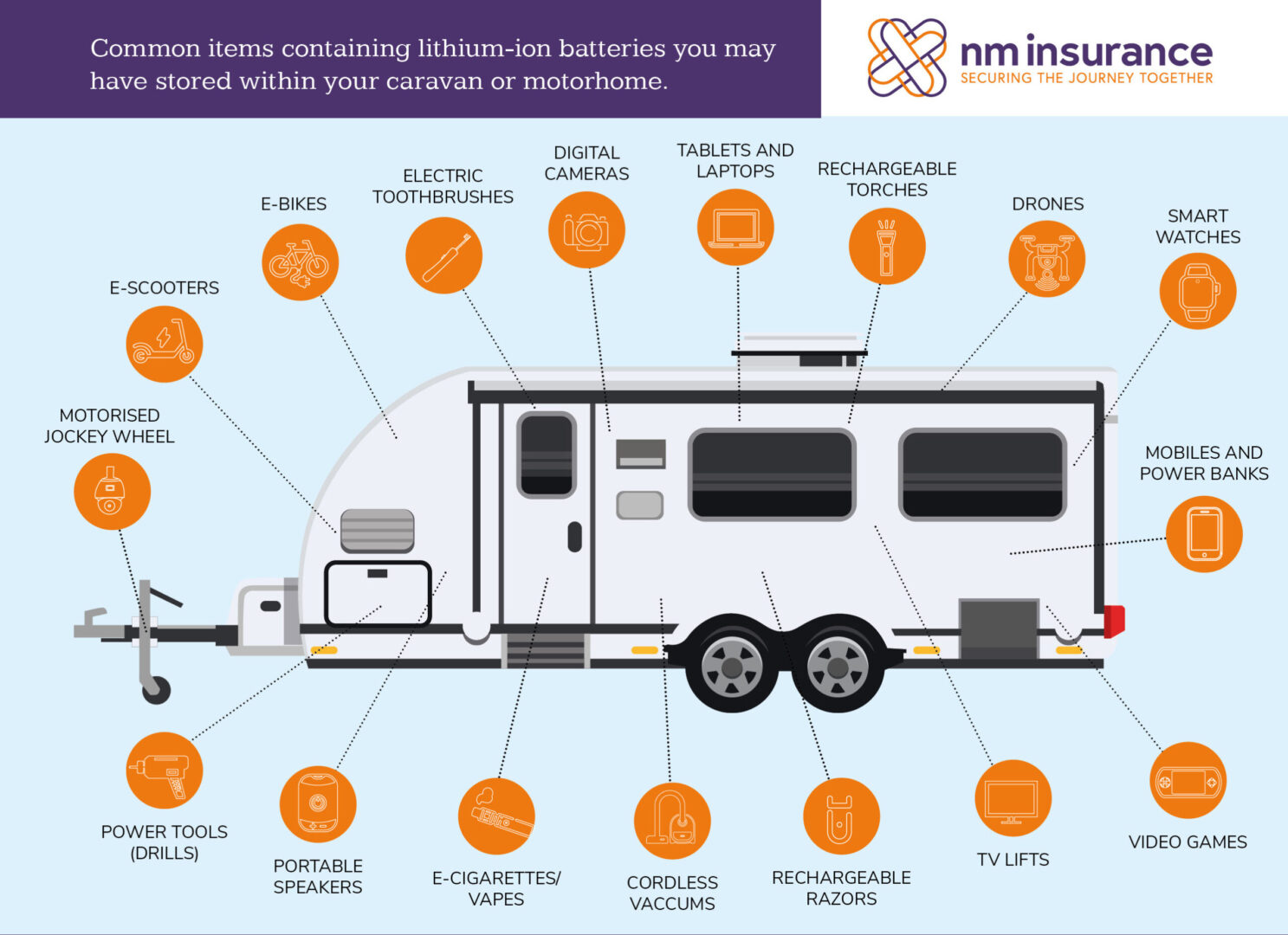
Recent fires have been linked to high-energy lithium-ion batteries. Items powered by these batteries can include power tools such as portable drills, household smart devices, power banks, rechargeable vacuums, and toys such as e-bikes and e-scooters. What are your thoughts on this? If you look back through media reports over the last few years, you’ll see reports of fires caused by e-bikes and e-scooters. Small lithium-ion battery-powered devices can also be a concern. Many of these items are built to a cheap price point and when you disassemble these devices and examine them you can see many are shoddily made.
The term ‘thermal runaway’ is often referenced in discussions around the causes of lithium-ion battery fires. Can you explain what the term means and how it applies to lithium-ion battery failure? Basically, the internal heat inside the cell builds up to such a point where you cannot stop it. There’s no intervention that can stop that battery failure from progressing. That’s why it’s a runaway event. The thermal runaway event in the battery can get up to 2,000°C. But when the fire begins, it’s generally with lots of smoke and an intense flame. The smoke is full of asphyxiant gas and toxic chemicals. If you breathe that smoke in, it can have significant impacts on you and you could potentially die from it. That’s true of any battery fire.
Improper charging practices, including the use of non-original chargers that have not been recommended by the original equipment manufacturer (OEM), are often linked to lithium-ion battery fires. Can you share some safe charging advice? If you’re charging a lithium-ion battery, it should be on a surface or substrate that is non-flammable. Don’t charge lithiumion batteries near flammable material, which can spread a potential fire further. Always charge your battery in a cool, dry place. Never charge a battery that’s been sitting out in the sun. In our report the CSIRO prepared for the ACCC [titled ‘Lithium-ion Battery Safety’] we also talk about not leaving lithium-ion batteries on charge while unattended. Because when a battery charger fails, you can be in a lot of strife.
As a safety control, we recommend setting a timer when charging lithium-ion batteries. We also recommend only charging lithium-ion batteries for three hours or the time required to fully charge the battery. Setting a timer and disconnecting the battery from the electrical point means there’s no risk of an overcharging event occurring. After three hours the battery should be well and truly charged, so you can go ahead and use it safely. It’s a simple safety control that can be quite effective. The location of where you charge a battery should also be considered. Never charge a battery anywhere a fire could block your escape route.
Constant charging or ‘trickle charging’ is a term often discussed in terms of lead acid batteries. However, it sounds like there are some unique safety implications when it comes to this practice for high-energy lithium-ion batteries found within tools, toys and devices? In the case of a lead acid battery, a trickle charger will constantly monitor the voltage feedback. So, as soon as the voltage dips back down below its regulated limit, it’ll manually kick in and charge the lead acid battery back up again. However, lithium-ion batteries have a really low self-discharge rate, so aside from safety risks, there’s also really no need to trickle charge lithium-ion batteries. Another key feature of lithium-ion batteries compared to most other battery technologies is the use of what we call a Battery Management System (BMS). With lead-acid batteries when you put them on a constant current regime, it has a system to stop overcharge. However, in a lithium-ion battery, if there is a fault in either the BMS or the charger, you can continue to pump current into the battery to the point you can go into an overcharge regime which is very unsafe. That is probably one of the most common failures that we see and a cause of a lot of lithium-ion battery fires… when batteries are sitting on chargers for extended periods of time, and the charger or the BMS is faulty.
What about charging lithium-ion overnight or when unattended? That’s a massive safety risk and it’s not necessary for lithium-ion batteries. Once the battery is charged, it is charged. With these portable devices and tools people that people are using, just charge it before you use it. Don’t charge it up and then leave it sitting on a charger, because that’s when failures can potentially occur.
Any other safety advice relating to lithium-ion battery charging? Always check your cables to make sure they’re in good condition and not damaged. Check the charger itself regularly as they can get damaged or become faulty over time. As we’ve talked about earlier, if the charger is faulty, it can lead to a failure. Also, always buy and use the charging device recommended by the battery manufacturer. Don’t buy cheap lookalike replacement chargers. Don’t fiddle with battery technology or try to augment the size of the battery. For example, we’ve seen a spate of failures where people have tried to plug in a bigger battery to a device such as a Bluetooth speaker.
Are there visual ‘warning signs’ for potential battery failure that people should look out for? Always check your battery before you use it or charge it. If it feels hot to the touch, don’t charge it. Make sure that the casing looks like it’s intact and that nothing is loose. Check the packaging hasn’t swelled, is not discoloured or leaking fluids. Make sure the contacts are nice and clean. As a rule, if something doesn’t look right or you’re not sure, don’t charge the battery. Instead, take it back to the battery supplier or a reputable specialist battery retailer and have them check it for you. If the battery isn’t in good shape, they help you dispose of the battery and assist you with a new battery. Some of these are common sense, but sometimes common sense is not so common. If the battery is venting gas, hissing, making any unusual noises or leaking fluids those are all major warning signs.
What are your thoughts about storing lithium-ion batteries in fireproof boxes? You can buy them but they’re not going to make a lot of difference and as an engineering control it’s not something that I would recommend. However, if storing them in those boxes keeps the batteries dry and reduces the chances of condensation and water getting to them, they could help.
Lastly, what is your advice in the case of a lithium-ion battery fire? Personal fire extinguishers won’t help. We don’t want people exposing themselves to potentially life-threatening hazards, including toxic gases, based on a false sense of hope that they can effectively fight a battery fire themselves. Just get as far away as you can outside and call for help. When you ring 000, tell them everything you know, so they know what it is that they’re coming to fight.
Interview with Dr Adam Best originally featured in NM Insurance’s Nautilus Marine Magazine.

Safety best practices
The Australian Competition and Consumer Commission (ACCC) details some important safety advice within their report ‘Lithium-ion Battery Safety’ created by the CSIRO. It is strongly recommended that all owners of caravans and motorhomes adhere to the safety advice put forward by the ACCC and CSIRO, whenever using or charging lithium-ion batteries.
Source: ‘Lithium-ion Battery Safety’ report created by the CSIRO for the ACCC.

BILL THIEL IS THE TECHNICAL MANAGER AT GLOBAL HERITAGE WITH OVER 40 YEARS OF ELECTRICAL AND POWER GENERATION EXPERIENCE. BILL HOLDS POSITIONS ON SEVERAL STANDARDS AUSTRALIA COMMITTEES AND HAS BEEN INVOLVED WITH THE CERTIFICATION AND EVALUATION OF LITHIUM-ION BATTERIES AND LITHIUM PRODUCTS. HERE, HE SHARES SOME LITHIUM-ION BATTERY SAFETY ADVICE FOR CARAVAN AND MOTORHOME OWNERS.
Why is lithium-ion battery fire prevention an important safety issue all caravan and motorhome owners should be aware of? The advantages of lithium power outweigh any fear in the minds of the majority of the caravan and motorhome community. Lithium-ion batteries are everywhere. Laptops, phones, torches, drones, toys, drills, hand tools and e-scooters and e-bikes to name a few. Not many of us would wish to go without any of them! There have been fires started by all the products I have listed above.
I am less concerned about quality caravan power systems than I am about portable lithium-ion battery powered appliances, devices or tools stored in the vehicle. If you are trying to save money, don’t do it on the battery system. Quality is not cheap and the likelihood of a professionally built and fitted system failing, is at a much lower risk level. There are some very competent suppliers of both lithium-ion and LiFePO4 systems for the caravan and motorhome community. Look for companies that have good information readily available such as: safety data sheets, IP Rating (Ingress Protection Rating), comprehensive installation instructions to meet AS/NZS3001.2 and a customer help line.
What about industry awareness, such as awareness amongst operators of holiday parks? Increased awareness is essential. While the majority of professionally installed caravan battery systems are safe, I am concerned about what is stored within caravans and motorhomes. Items such as e-bikes and e-scooters which have, until recently, had less ‘suitability controls’ (there is now an Australian standard). We are all aware of fires and deaths caused by these items. Park owners may wish to consider a policy for storage and charging of these items, and also perhaps publishing the list of ACCC’s product recalls.
What are your thoughts regarding the sharing of DIY information relating to lithiumion batteries within online forums and social media accounts? What are some of the key safety considerations here? Any DIY involving lithium-ion batteries is not wise. Just don’t do it. Lithium-ion is not a straight swap for a traditional battery system. It’s a job for a professional. For advice, go to professionals, not forums. This can be a serious issue. The quality of information on forums does not come with guarantees and misinformation can be dangerous in this area.
Please share your five lithium-ion battery safety tips for caravan and motorhome owners.
ANDREW HUETT IS THE CEO AND FOUNDER OF OZX CORP, AN AUSTRALIAN TECHNOLOGY COMPANY WHICH DESIGNS AND MANUFACTURES POWER AND CONNECTIVITY SOLUTIONS FOR THE CARAVAN AND RECREATIONAL INDUSTRY. ANDREW DISCUSSES THE ELECTRICAL STANDARDS RELATING TO LITHIUM-ION BATTERIES AND SOME KEY SAFETY ISSUES OWNERS NEED TO KNOW ABOUT CARAVAN AND MOTORHOME ELECTRIFICATION.
Talk us through OzX Corp’s involvement with the electrical Standards, which took effect in November 2023? OzX Corp supported the process with key market trend data, automotive design principles and a forward-looking view on lithium battery adoption and safety. We shared insights about the growing trend for higher power systems and the inevitable move to higher voltages for solar and battery systems.
For caravan and motorhome owners who aren’t familiar with the Standards, can you give us an overview of how they relate to lithium-ion batteries? The new Standards look to build provisions around lithium batteries. So, that in the event of a thermal event or gas release, the risk to the occupant is mitigated and they can take corrective action and exit the caravan. Further, voltages have been contained to mitigate the risks around shock hazards and arc flash.
What do caravan and motorhome owners looking to install a new lithium-ion battery need to be aware of? Lithium batteries installed in caravans and motorhomes are now required to address the minimum certification requirements of IEC62619, which addresses required standards for quality, performance and safety. Installed lithium batteries are required to be mounted within a vented box, which box ensures that the habitable area is truly separated from potential risks that could result from a faulty battery. This includes venting any toxic gas from a faulty battery to the open air and separating a possible thermal event within the box. When purchasing a caravan or motorhome with an installed lithium battery it’s important to look for a sturdy box construction and ensure best practice has been applied. We recommend owners ask for total battery certification and really push for an external mounted battery that truly separates the battery from the occupants in the caravan or motorhome. Overall, the Standards are a ‘good move’ to help address the risks presented by installed battery failure and by applying mitigation methods.
What about caravan and motorhome owners with previously installed lithium-ion batteries? What impact do the Standards have on them? Retrospective lithium installs may have not addressed key fundamental safety concerns and mitigation methods. A professional review of your system is opportune to ease your mind. Carrying out a professional lithium and electrical inspection will also reinforce the resale value of your caravan.
Based on the rapid adoption of powered 12v battery/solar solutions, what do you see happening in terms of powering caravans within the next few years? At OzX Corp we have an eye on the next 10 years. Lithium batteries will grow much larger, be chassis-mounted, have electric regeneration and drive technologies in the wheels and even run nominal 400Volt batteries that are aligned with the automotive sector. In the shorter term of three-to-five years, all-electric caravans and RV’s will grow significantly as the practicality and convenience is accepted. We will also see 12Volt systems be rated nominally at 600 to 800Ah because of the affordability and “sweet-spot” for general convenience while off-gridding and boondocking.
Any other considerations unique to the caravan and motorhome community? Consumers need to ensure that battery certification should be for the total battery solution and not just the cells within. This ensures a total holistic testing process which considers the important safety features of the Battery Management System (BMS). Best practice for any lithium battery or other fuel cell in a caravan includes thermal/ smoke detection that operates 24/7. The electrical eco-system of the caravan or motorhome also needs to be taken into consideration, because the demands on the electrical system are now far greater than the past.



Let’s Go Caravan Insurance is a business name of NM Insurance Pty Ltd ABN 34 100 633 038, AFSL 227186. NM Insurance is an underwriting agency with a binding and claims authority from Zurich Australian Insurance Limited (ZAIL) which allows it to enter into and arrange policies of insurance and handle and settle claims made under them. NM Insurance acts on behalf of ZAIL and not you when providing these services but does so under its own AFSL.
Advice on this website is general so consider whether it suits your objectives, financial situation and needs. Always consider the relevant Target Market Determination and Product Disclosure Statement / Policy Wording before buying or renewing insurance. These can be accessed on this website.
We comply with the General Insurance Code of Practice which is designed to raise standards of practice and service in the general insurance industry. The Code Governance Committee (CGC) is an independent body that monitors and enforces compliance with the Code. For more information about the Code or the CGC, visit www.codeofpractice.com.au.
Steadfast Group Ltd (ABN 98 073 659 677) (‘SGL’) has a majority shareholding in NM Insurance Pty Ltd (NM Insurance). SGL may receive a professional services fee (PSF) from insurers, premium funders and underwriting agencies such as NM Insurance (Partner) for access to regulatory and compliance support; marketing and communications; data insights; and access to technology platforms. The PSF is an agreed amount between SGL and the relevant Partner, usually annually. The PSF is not determined by the volume of the business that the Steadfast Network brokers place, nor is the amount of the PSF known to the Steadfast Network Brokers, so it is not able to influence recommendations to their clients.
NM Insurance may have access to shared services from SGL, including: compliance tools; procedures; manuals and training; legal; HR banking; and group purchasing arrangements. These services are funded by SGL, subsidised by SGL or SGL receives a fee for them.
SGL’s FSG is available at www.steadfast.com.au or on request by telephoning SGL’s Company Secretary on +61 2 9495 6500.
For information about interpreting services please contact the Australian Government’s Translating and Interpreting Service.