 1300 153 638
 Contact us
 Partner Login


Stop Leaks Before They Start: Caravan seal maintenance that protects your pride and joy
General ·
At Let’s Go Caravan Insurance, we know how much time, love and hard-earned money goes into owning a caravan.


General Information · 1 December, 2025
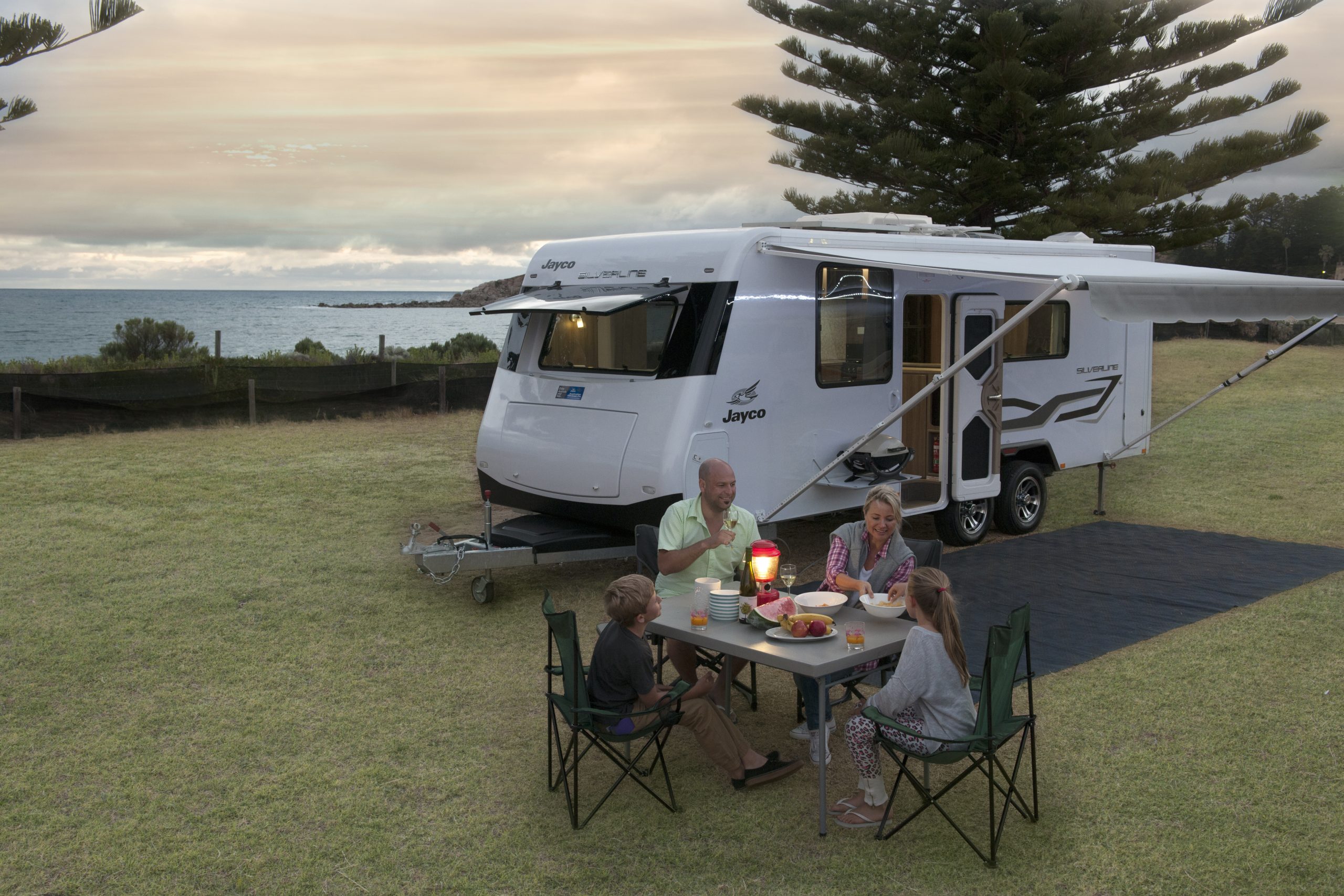
Thinking about buying a caravan so you can explore more of Australia? It’s an exciting step – but with so many sizes, layouts and features on the market, it can quickly feel overwhelming.
The good news: a bit of planning before you visit a dealer or show will make your choice much easier, and help you invest in a van that suits your lifestyle for years to come.
Here are the key questions to work through before you buy.
Start with the “why” and “how often”, not the floorplan.
Ask yourself:
Your answers will influence:
Before you fall in love with a van, check what your current vehicle can legally tow.
Look at:
Your vehicle’s limits will set a maximum fully loaded weight for your caravan. It’s important for:
If you’re starting from scratch, you might choose a caravan first and then buy an appropriate tow vehicle. But many buyers are working within the limits of the vehicle they already own, so know your numbers early.
There’s no universal “best” size – just what works for you.
Larger caravans (with ensuite, island bed, spacious kitchen) often offer:
But they can also mean:
Smaller or mid-size vans can:
The trade-off is often less space and shared facilities (using caravan park amenities rather than a full internal bathroom). For many travellers, that’s a worthwhile swap.
If possible, stand inside several different sizes at a show or dealership and imagine a rainy week in each one. Could you all move around and live comfortably?
You’ll see three common styles on the market:
Pop-top caravans
Full-height caravans
Campers and hybrids
The best option comes down to:
Buying new
Buying used
If you’re buying used, consider:
Modern caravans use different construction methods and materials, including timber, aluminium and composite panels. Rather than fixating on one “right” material, look for:
Single vs tandem axles
Suspension
If you plan to travel regularly on corrugations or unsealed roads, an upgraded “outback” or “semi-off-road” package (with extra chassis strengthening and protection) may be worth considering. For mostly highway touring with the occasional good-condition gravel road, a standard touring van and sensible driving can be perfectly suitable.
With so many layouts and options, it helps to write two lists before you go shopping:
You NEED:
You WISH:
Knowing your non-negotiables will help you stay focused and avoid being swayed by features you don’t actually need – or by a layout that looks pretty but doesn’t fit your lifestyle.
Before signing on the dotted line, it’s worth:
A weekend trip in a similar style of van can reveal more than hours of research – especially around storage, setup time and how the layout really feels to live in.
Alongside the purchase price, factor in:
When it comes to insurance, think about:
Buying a caravan is a big decision, but it doesn’t need to be overwhelming. If you:
…you’ll be well on your way to finding a van that feels like a true home on wheels.
And once you’ve found the right one, having the right insurance in place means you can focus on what really matters: enjoying the journey, not worrying about the what-ifs.




Let’s Go Caravan Insurance is a business name of NM Insurance Pty Ltd ABN 34 100 633 038, AFSL 227186. NM Insurance is an underwriting agency with a binding and claims authority from Zurich Australian Insurance Limited (ZAIL) which allows it to enter into and arrange policies of insurance and handle and settle claims made under them. NM Insurance acts on behalf of ZAIL and not you when providing these services but does so under its own AFSL.
Advice on this website is general so consider whether it suits your objectives, financial situation and needs. Always consider the relevant Target Market Determination and Product Disclosure Statement / Policy Wording before buying or renewing insurance. These can be accessed on this website.
We comply with the General Insurance Code of Practice which is designed to raise standards of practice and service in the general insurance industry. The Code Governance Committee (CGC) is an independent body that monitors and enforces compliance with the Code. For more information about the Code or the CGC, visit www.codeofpractice.com.au.
Steadfast Group Ltd (ABN 98 073 659 677) (‘SGL’) has a majority shareholding in NM Insurance Pty Ltd (NM Insurance). SGL may receive a professional services fee (PSF) from insurers, premium funders and underwriting agencies such as NM Insurance (Partner) for access to regulatory and compliance support; marketing and communications; data insights; and access to technology platforms. The PSF is an agreed amount between SGL and the relevant Partner, usually annually. The PSF is not determined by the volume of the business that the Steadfast Network brokers place, nor is the amount of the PSF known to the Steadfast Network Brokers, so it is not able to influence recommendations to their clients.
NM Insurance may have access to shared services from SGL, including: compliance tools; procedures; manuals and training; legal; HR banking; and group purchasing arrangements. These services are funded by SGL, subsidised by SGL or SGL receives a fee for them.
SGL’s FSG is available at www.steadfast.com.au or on request by telephoning SGL’s Company Secretary on +61 2 9495 6500.
For information about interpreting services please contact the Australian Government’s Translating and Interpreting Service.