 1300 153 638
 Contact us
 Partner Login


Stop Leaks Before They Start: Caravan seal maintenance that protects your pride and joy
General ·
At Let’s Go Caravan Insurance, we know how much time, love and hard-earned money goes into owning a caravan.


General Information · 4 December, 2025
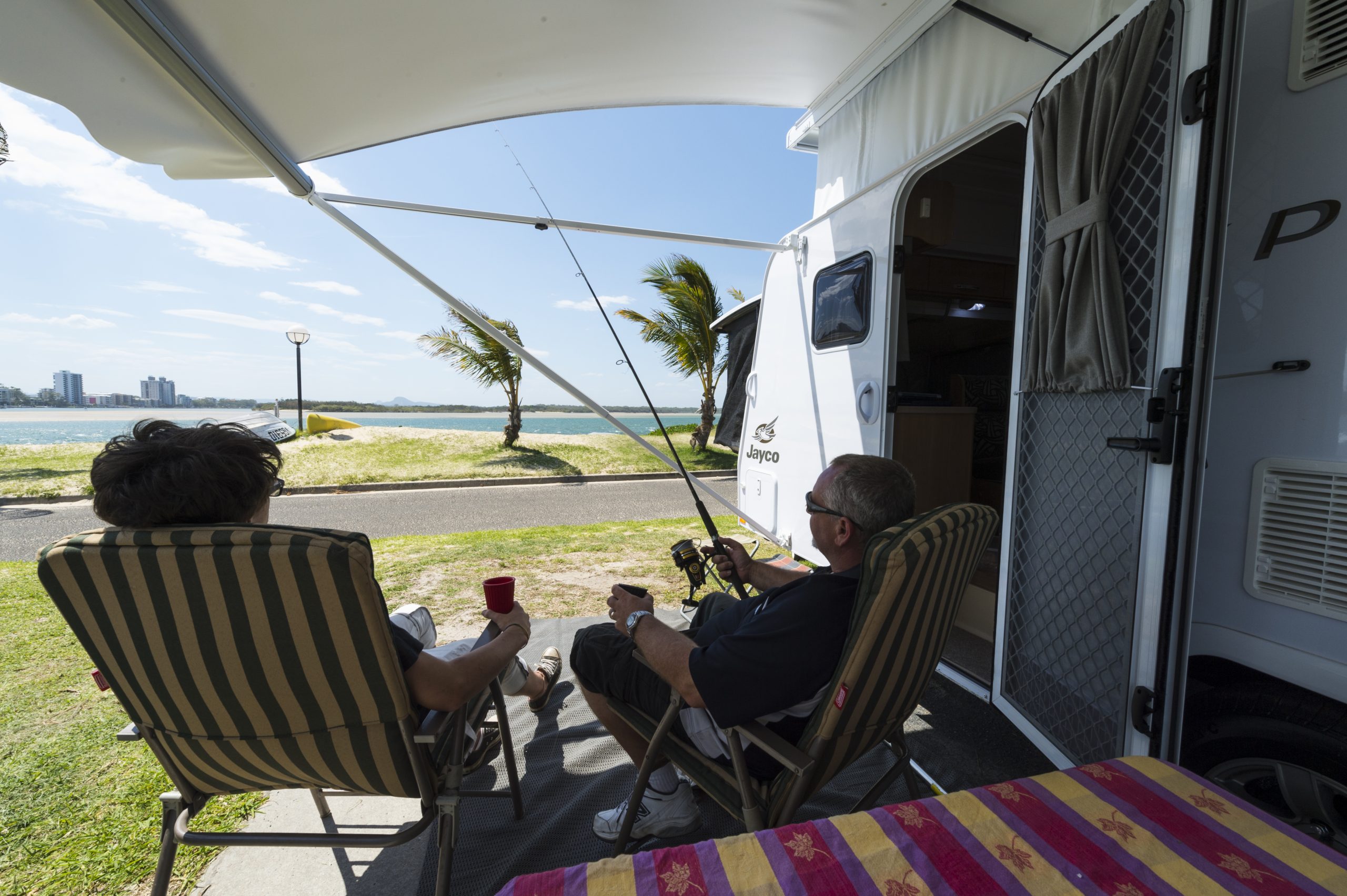
Thinking about taking a ‘Big Lap’ around Australia? You’re not alone – more Australians than ever are hitting the road for months or even years at a time, trading routine for freedom and swapping commutes for coastlines.
But before you steer into the sunrise, the most important part of the journey happens long before the engine starts. A successful Big Lap relies on good planning, smart budgeting and a setup you can rely on thousands of kilometres from home.
Here’s how to prepare – safely, confidently, and with fewer surprises along the way.
A Big Lap doesn’t look the same for everyone. For some, it’s a fast-paced 3–6 month trip hitting the highlights; for others, it’s a slow year of drifting between towns, seasonal work, and exploring hidden regions.
Before you start any major planning, decide:
Being honest about your style helps you pick the right setup and budget accurately.
One of the biggest misconceptions about the Big Lap is that it requires six figures in the bank. In reality, travellers make it work on a wide range of budgets – but everyone benefits from smart financial planning.
When budgeting, factor in:
Create an emergency buffer.
Even well-maintained setups can experience breakdowns. A spare fund helps you manage unexpected repairs like:
Most long-term travellers aim to keep a “do-not-touch” backup fund of $5–$15k depending on setup.
If you’re a homeowner, this is one of the biggest decisions you’ll face.
Renting
✔ Keeps you in the market
✔ Provides income
✔ Holds onto a future home base
Selling
✔ Releases equity
✔ Helps fund the trip upfront
✔ Removes property responsibilities
Storing belongings
✔ Storage units can be expensive – plan early
✔ Consider downsizing major items
✔ Sell anything that won’t be used again
Whatever you choose, consider tax, insurance, and rental obligations ahead of time.
There’s no one ‘perfect’ setup for a Big Lap – only what suits your lifestyle.
Popular choices include:
When choosing your home-on-wheels, consider:
And importantly: always match your tow vehicle and caravan safely and legally. Overloading is one of the biggest causes of accidents and insurance issues.
A weekend away in your setup is invaluable. You’ll quickly learn:
A trial run helps you fix issues before you’re thousands of kilometres from home.
Remote roads demand good preparation. At minimum, consider:
These aren’t just ‘nice to have’ – they can be lifesaving in areas with minimal reception and long stretches between towns.
Many modern lappers rely on:
For families, explore:
Kids quickly adapt, and many families find roadschooling an amazing way to bring Australia’s landscapes into the curriculum.
Australia is full of incredible camping options:
Apps such as:
A Big Lap is one of the most rewarding adventures you can take – but the smoother trips are always the ones planned with care. With the right setup, safety gear, budget and mindset, you’ll be ready for whatever Australia throws your way.
At Let’s Go Caravan Insurance, we’re here to help protect your home-on-wheels so you can focus on the adventure ahead.




Let’s Go Caravan Insurance is a business name of NM Insurance Pty Ltd ABN 34 100 633 038, AFSL 227186. NM Insurance is an underwriting agency with a binding and claims authority from Zurich Australian Insurance Limited (ZAIL) which allows it to enter into and arrange policies of insurance and handle and settle claims made under them. NM Insurance acts on behalf of ZAIL and not you when providing these services but does so under its own AFSL.
Advice on this website is general so consider whether it suits your objectives, financial situation and needs. Always consider the relevant Target Market Determination and Product Disclosure Statement / Policy Wording before buying or renewing insurance. These can be accessed on this website.
We comply with the General Insurance Code of Practice which is designed to raise standards of practice and service in the general insurance industry. The Code Governance Committee (CGC) is an independent body that monitors and enforces compliance with the Code. For more information about the Code or the CGC, visit www.codeofpractice.com.au.
Steadfast Group Ltd (ABN 98 073 659 677) (‘SGL’) has a majority shareholding in NM Insurance Pty Ltd (NM Insurance). SGL may receive a professional services fee (PSF) from insurers, premium funders and underwriting agencies such as NM Insurance (Partner) for access to regulatory and compliance support; marketing and communications; data insights; and access to technology platforms. The PSF is an agreed amount between SGL and the relevant Partner, usually annually. The PSF is not determined by the volume of the business that the Steadfast Network brokers place, nor is the amount of the PSF known to the Steadfast Network Brokers, so it is not able to influence recommendations to their clients.
NM Insurance may have access to shared services from SGL, including: compliance tools; procedures; manuals and training; legal; HR banking; and group purchasing arrangements. These services are funded by SGL, subsidised by SGL or SGL receives a fee for them.
SGL’s FSG is available at www.steadfast.com.au or on request by telephoning SGL’s Company Secretary on +61 2 9495 6500.
For information about interpreting services please contact the Australian Government’s Translating and Interpreting Service.