 1300 153 638
 Contact us
 Partner Login


Stop Leaks Before They Start: Caravan seal maintenance that protects your pride and joy
General ·
At Let’s Go Caravan Insurance, we know how much time, love and hard-earned money goes into owning a caravan.

General Information · 5 December, 2025
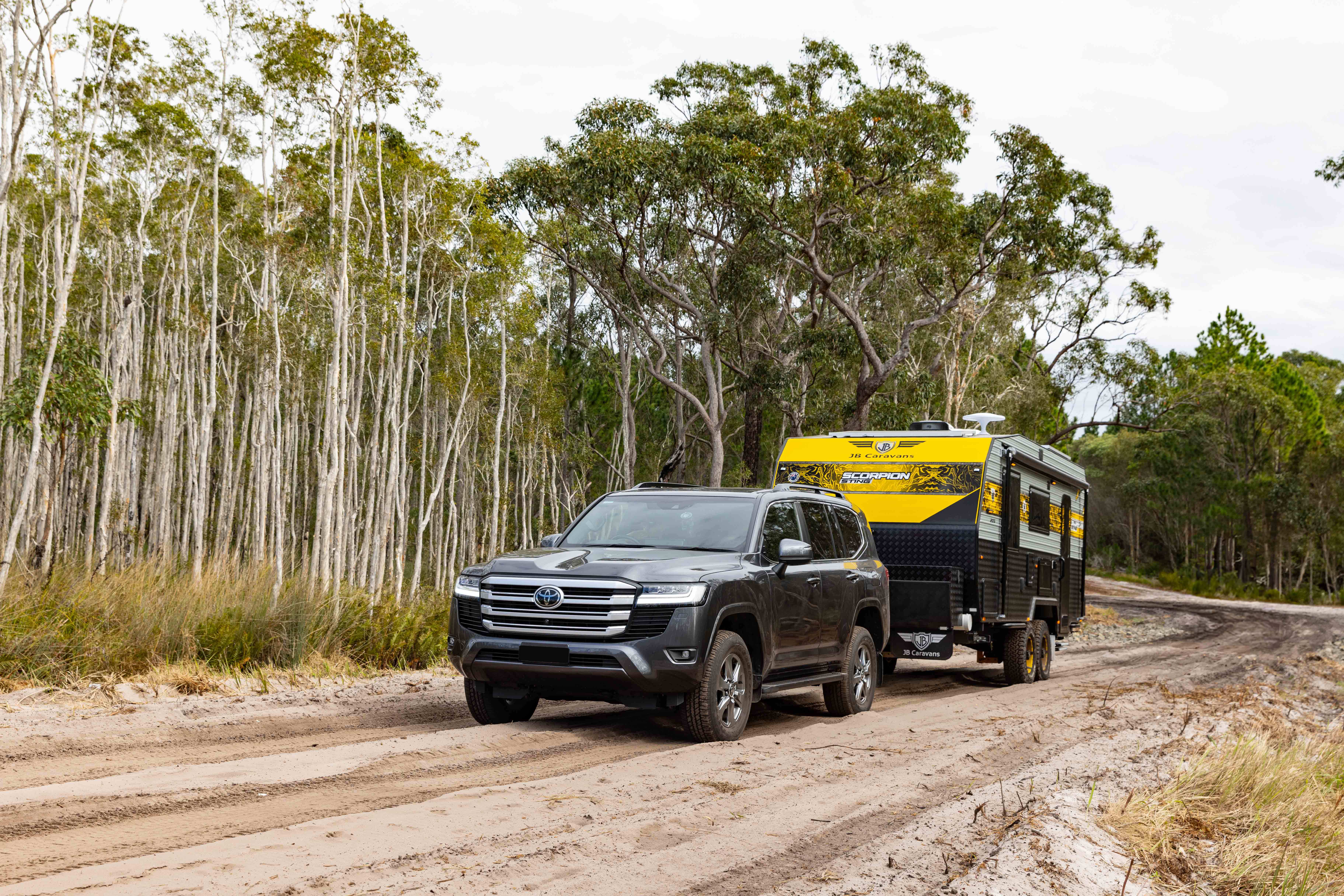
Australia’s most remarkable adventures often begin where the roads thin out and the phone signal fades. Remote camping offers unmatched freedom — wide-open landscapes, quiet nights, and a sense of escape you can’t replicate anywhere else. But those same remote conditions also mean help can be much further away if something goes wrong.
That’s why preparation isn’t optional. It’s the foundation of safe, confident travel.
Before you head into the outback or settle into an isolated bush camp, here are the key safety steps every remote traveller should take.
In remote areas, even small injuries can become big problems. A well-stocked first aid kit is one of the most important pieces of gear you can carry.
Make sure yours includes:
If you’re travelling with children, pets, or pre-existing conditions, add any additional supplies you may need.
Tip: Regularly check expiry dates and restock after every trip.
Reception can vary dramatically even within the same campsite. After setting up, take a short walk around the area to test your signal. Sometimes one spot has enough coverage for emergency calls, even if general service is limited.
If you’re completely off-grid:
Emergency+ is especially useful – it provides your exact GPS coordinates and connects you to the correct emergency service.
When signage is scarce or tracks look similar, having a reliable location tool can make all the difference. Apps like what3words provide a precise, easy-to-communicate location using just three unique words.
Share the location with:
These tools remove guesswork when minutes matter.
Where you camp determines who can help in an emergency:
It’s also worth familiarising yourself with nearby towns and medical centres when you first arrive.
Phones aren’t enough in remote environments. For serious emergencies or areas with no reception, consider packing additional safety gear such as:
These tools allow you to call for help even when technology fails.
Sudden cardiac arrest can happen to anyone, anywhere. Increasing numbers of caravan parks, visitor centres, and public facilities now have Automated External Defibrillators (AEDs) available.
When staying remote:
Quick access can be a life saver when emergency responders are far away.
Let someone at home know:
Some parks and emergency services also offer trip intention forms, which provide crucial information if a search is required.
Emergencies are unpredictable, but your response doesn’t have to be. With the right planning, equipment, and communication tools, remote camping can be both exhilarating and safe.
Whether you’re tackling the outback or venturing deep into the national parks, a little preparedness ensures you can explore Australia’s remote beauty with confidence –s and peace of mind.



Let’s Go Caravan Insurance is a business name of NM Insurance Pty Ltd ABN 34 100 633 038, AFSL 227186. NM Insurance is an underwriting agency with a binding and claims authority from Zurich Australian Insurance Limited (ZAIL) which allows it to enter into and arrange policies of insurance and handle and settle claims made under them. NM Insurance acts on behalf of ZAIL and not you when providing these services but does so under its own AFSL.
Advice on this website is general so consider whether it suits your objectives, financial situation and needs. Always consider the relevant Target Market Determination and Product Disclosure Statement / Policy Wording before buying or renewing insurance. These can be accessed on this website.
We comply with the General Insurance Code of Practice which is designed to raise standards of practice and service in the general insurance industry. The Code Governance Committee (CGC) is an independent body that monitors and enforces compliance with the Code. For more information about the Code or the CGC, visit www.codeofpractice.com.au.
Steadfast Group Ltd (ABN 98 073 659 677) (‘SGL’) has a majority shareholding in NM Insurance Pty Ltd (NM Insurance). SGL may receive a professional services fee (PSF) from insurers, premium funders and underwriting agencies such as NM Insurance (Partner) for access to regulatory and compliance support; marketing and communications; data insights; and access to technology platforms. The PSF is an agreed amount between SGL and the relevant Partner, usually annually. The PSF is not determined by the volume of the business that the Steadfast Network brokers place, nor is the amount of the PSF known to the Steadfast Network Brokers, so it is not able to influence recommendations to their clients.
NM Insurance may have access to shared services from SGL, including: compliance tools; procedures; manuals and training; legal; HR banking; and group purchasing arrangements. These services are funded by SGL, subsidised by SGL or SGL receives a fee for them.
SGL’s FSG is available at www.steadfast.com.au or on request by telephoning SGL’s Company Secretary on +61 2 9495 6500.
For information about interpreting services please contact the Australian Government’s Translating and Interpreting Service.